As high school graduation approaches, many students begin evaluating their next steps. While attending a traditional university is one option, it is not the right fit for everyone. Fortunately, there are several rewarding alternatives to four-year college that can lead to meaningful careers, financial stability, and long-term success.
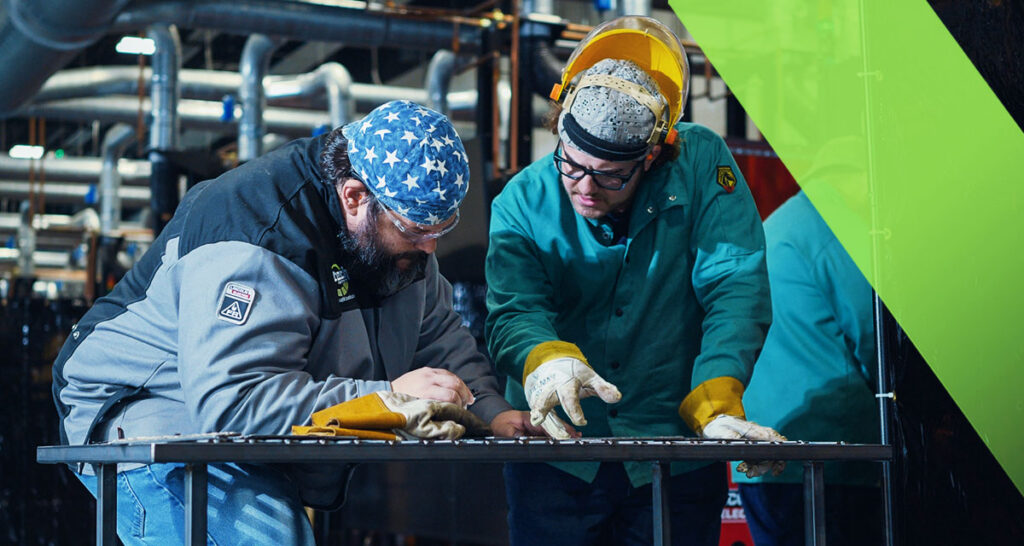
For students who prefer hands-on learning and want to enter the workforce sooner, technical education offers a practical and efficient pathway. For example, at Jones Technical Institute (J-Tech), students can explore career-focused training designed to prepare them for in-demand roles across essential industries.
Why Students Are Exploring Alternatives to Four-Year College
In recent years, students and families have taken a closer look at the return on investment of higher education. Rising tuition costs, student loan concerns, and shifting workforce needs have prompted many to consider alternatives that provide real-world skills and faster entry into the job market.
Some of the most common reasons students pursue alternatives include:
- A desire to start working sooner
- Lower overall education costs
- Interest in hands-on, practical training
- Strong demand for skilled professionals
- Opportunities for financial aid and scholarships
- Career paths that do not require a bachelor’s degree
According to the U.S. Bureau of Labor Statistics, many careers in installation, maintenance, and repair offer strong employment opportunities without requiring a four-year degree. These occupations play a vital role in keeping industries and communities running.
For students seeking a faster and more direct path to employment, technical education may provide a compelling alternative.
The Growing Demand for Skilled Trades
The renewed interest in skilled trades is not accidental. Across the country, industries are experiencing a workforce shortage as experienced professionals retire faster than new workers enter the field. This growing gap has created increased demand for trained technicians and tradespeople.
Employers are actively seeking skilled professionals in fields such as automotive technology, diesel technology, welding, HVAC-R, information technology, and marine and RV repair. As a result, companies are investing more in recruitment, training partnerships, and career development opportunities to attract qualified workers.
This demand presents a significant opportunity for students pursuing alternatives to four-year college. By gaining specialized skills, graduates can position themselves for careers in industries essential to the economy.
Top Alternatives to Four-Year College
Understanding available pathways can help students make informed decisions about their futures. Below are some of the most common alternatives to traditional university education.
Trade and Technical Schools
Trade schools provide career-focused training that prepares students for specific industries. Programs emphasize practical skills and real-world applications, helping graduates transition directly into the workforce.
At J-Tech, students can pursue training in:
- Automotive Technology
- Diesel Technology
- Welding Technology
- HVAC and Refrigeration
- Marine and RV Technology
- Network Administration and Security
- Commercial Truck Driving
These programs are designed to support industries that rely on skilled professionals to keep businesses and infrastructure running.
Apprenticeships
Apprenticeships combine paid on-the-job training with classroom instruction. Participants gain hands-on experience while earning an income.
Certification Programs
Short-term certification programs allow individuals to build specialized skills in fields such as information technology and technical services.
Community Colleges
Community colleges offer associate degrees and technical programs that can lead directly to employment or further education.
Military Service
Some students choose to serve in the military, gaining valuable experience, discipline, and educational benefits.
The Benefits of Trade School
Among the many alternatives to four-year college, trade schools continue to gain attention for their efficiency, affordability, and career-focused approach.
Faster Completion Times
Students might complete their training and begin pursuing careers sooner than they might through a traditional university.
At J-Tech, program timelines include:
- Automotive, Diesel, HVAC-R, Marine & RV, and Welding: as soon as 21 months
- Network Administration and Security: as soon as 18 months
These accelerated timelines allow graduates to enter the workforce and begin earning income more quickly.
Hands-On Training
Technical education emphasizes practical learning using industry-standard tools and equipment, helping students develop job-ready skills.
Career-Focused Education
Trade school programs are designed to prepare students for specific industries, reducing the time spent on unrelated coursework.
Lower Overall Costs
Compared to many four-year colleges, technical programs often require less time and financial investment, which can contribute to a favorable return on investment.
High Demand for Skilled Trades
Skilled professionals play an essential role in maintaining infrastructure, transportation, technology, and essential services across the nation.
Financial Aid and Scholarships Are Available
A common misconception is that financial aid is only available for traditional universities. In reality, accredited trade schools often provide access to financial assistance.
Students attending J-Tech may be eligible for:
- Federal financial aid through FAFSA
- Scholarships for qualifying students
- Grants and student loans for those who qualify
To learn more, visit:
J-Tech’s dedicated financial aid team works one-on-one with students and families to create personalized funding plans.
Students can also learn more about federal financial aid by visiting the official FAFSA website: https://studentaid.gov
Why Choose J-Tech?
Choosing the right training institution is just as important as choosing the right career path. J-Tech provides students with the tools, support, and industry connections needed to succeed.
Job Assistance and Industry Connections
J-Tech offers career services and job assistance to help graduates pursue employment opportunities. Through relationships with industry partners, some employers seek to hire students even before graduation.
Flexible Scheduling
Students attend classes only a few days per week, allowing them the opportunity to work part-time while completing their training.
Accredited Career Training
As an accredited institution, J-Tech provides quality education designed to prepare students for entry-level roles in their chosen fields.
Personalized Admissions Support
Prospective students meet one-on-one with admissions representatives to explore career paths, program options, and enrollment steps.
Dedicated Financial Aid Guidance
J-Tech’s financial aid team assists students and families throughout the FAFSA and scholarship process.
Hands-On Learning Environment
Students train with industry-standard equipment that reflects real workplace settings.
Explore available programs at: https://www.jtech.org/programs/
Take the Next Step Toward Your Future
Exploring alternatives to four-year college can open doors to rewarding and practical career opportunities. For students seeking hands-on training, faster entry into the workforce, and industry-relevant skills, technical education offers a viable and effective path.
At J-Tech, students receive personalized guidance, financial aid support, and career-focused training designed to prepare them for success in the skilled trades and technical fields.
To learn more about programs, financial aid options, and scholarship opportunities, visit jtech.org and take the first step toward building your future today.
FAQs About Alternatives to Four-Year College
What are the best alternatives to four-year college?
Common alternatives include trade schools, apprenticeships, certification programs, community colleges, and military service.
Is trade school a good option after high school?
Yes. Trade schools provide hands-on training and prepare students for in-demand careers in essential industries.
Can you use FAFSA for trade school?
Students attending accredited technical schools may qualify for federal financial aid by completing the FAFSA at https://studentaid.gov.
Are skilled trades in demand?
Yes. Skilled trades continue to experience workforce shortages as experienced professionals retire and industries seek new talent.
How long does it take to complete a program at J-Tech?
Many J-Tech programs can be completed in as little as 21 months, while the Network Administration and Security program can be completed in as few as 17 months.
Does J-Tech offer job assistance?
Yes. J-Tech provides job assistance and connects students with industry partners to help them pursue employment opportunities.
Can students work while attending J-Tech?
Yes. Flexible scheduling allows students to attend school only a few days per week, enabling them to work part-time while completing their training.