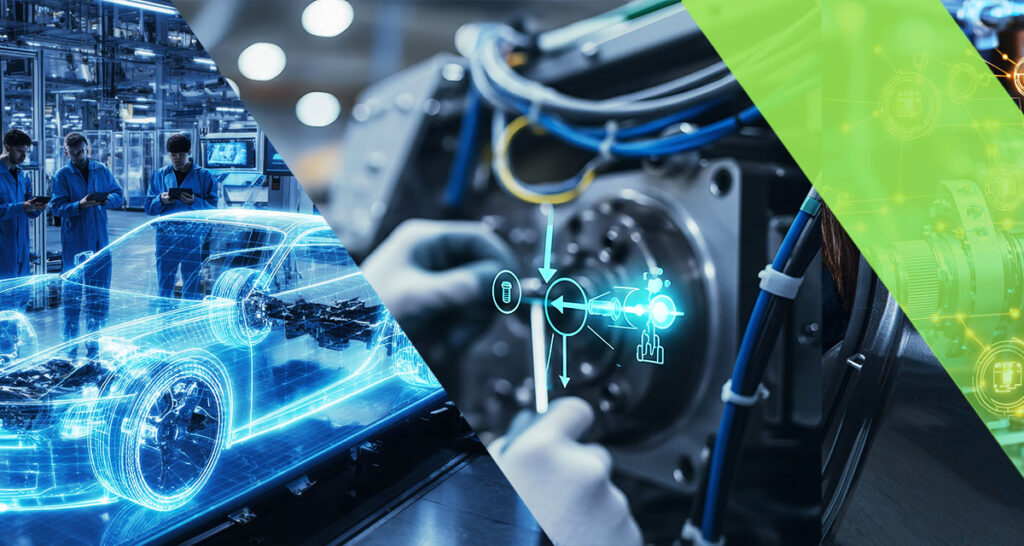
Artificial intelligence is changing the way the world operates. From banking to healthcare to entertainment, automation and smart systems are now part of everyday life. But one area that often gets overlooked in those conversations is the skilled trades. While many industries are wondering what work will look like in the age of AI, tradespeople are already blending new technology with hands-on skill to solve real problems every day. How AI impacts trade work is more than a curiosity, it’s a story of opportunity.
The reality is that AI may change the tools people use, but it cannot replace the knowledge, judgment, and precision that skilled workers bring to the trades. Technology may evolve quickly, but the demand for trained professionals who can install, repair, and maintain the tools of modern life remains strong.
Knowing how AI impacts trade work is not about imagining a future without people. It is about recognizing that technology will always rely on the insight, creativity, and problem-solving ability of trained professionals.
Technology Needs Experts, Not Just Users
AI can process information faster than ever before, but it cannot understand the physical world the way a trained technician can. Installing an engine, calibrating an HVAC system, or aligning a welding joint requires reasoning, touch, and real-world awareness that no algorithm can replicate.
In trade environments, decisions are rarely one-size-fits-all. A technician must evaluate unique conditions, interpret feedback, and apply years of learning to get a result that is safe, efficient, and lasting. That level of precision takes education, experience, and confidence in one’s craft.
While AI may assist, it is the expertise of skilled workers that ensures systems actually work as intended. Without that, innovation stays theoretical.
How AI Impacts Trade Work in Automotive and Diesel Technology
Vehicles have become increasingly intelligent. Modern engines communicate through data networks and sensors that can flag performance issues in real time. AI systems may help diagnose those problems, but it is the technician who interprets the data and understands the mechanical story behind it.
For example, a computer may report a fuel imbalance, but an experienced mechanic will determine whether that signal comes from a worn injector, a faulty sensor, or an airflow problem. That judgment requires both technical training and intuition built through hands-on experience. At schools like J-Tech (Jacksonville, FL), students in Automotive and Diesel Technology programs learn how to combine digital diagnostics with deep mechanical understanding. They are trained to think critically, not just follow what a computer suggests.
AI and the Human Expertise Behind HVAC Systems
Smart climate systems can predict when maintenance may be needed and even adjust temperatures automatically. However, installing, calibrating, and servicing these systems takes real skill.
Technicians must understand airflow dynamics, refrigerant properties, and electrical systems. They evaluate how temperature, humidity, and building design interact. No machine can make those decisions on its own.
AI may assist in identifying an issue, but the expert technician ensures comfort, safety, and compliance with codes and environmental standards. That combination of knowledge and hands-on ability cannot be automated. According to the U.S. Bureau of Labor Statistics, employment for heating, air conditioning, and refrigeration mechanics is projected to grow faster than average over the next decade. This reflects a continued need for professionals who can manage increasingly complex technology.
Precision and Human Skill in Welding
Automation has advanced in welding, especially in large manufacturing facilities, but the role of the welder remains vital. Machines may repeat a programmed pattern, yet it is the welder who determines how to adapt to material type, joint design, and environmental conditions.
AI can monitor temperature or analyze a weld’s consistency, but it cannot feel how metal responds to heat or adjust technique on the fly. Skilled welders understand that even the smallest shift in motion, timing, or amperage can change the strength and quality of a weld. The expertise to read conditions and respond in real time is something that only human hands and minds can do. J-Tech’s Welding and Fabrication Technology program builds that expertise by combining traditional methods with exposure to modern fabrication equipment.
Technology Still Relies on Human Judgment
Across every trade, success depends on the ability to interpret, adapt, and decide. AI can identify patterns or predict failures, but it cannot understand the full context behind a problem or the people involved.
For example:
- In diesel mechanics, two identical error codes can come from completely different causes, which only a trained technician can recognize through experience.
- In HVAC service, system efficiency depends on factors like building design, weather, and usage patterns that no algorithm fully understands.
- In welding, environmental conditions such as humidity and airflow can affect precision in ways that require a professional’s touch and awareness.
Beyond diagnostics and repairs, skilled workers provide something no machine can replicate: human connection. When a homeowner’s furnace fails during a holiday weekend, or a business owner’s truck is down before a critical delivery, they don’t want to speak to an automated message. They want reassurance, empathy, and clear communication from someone who understands their situation and can fix it.
At J-Tech, students learn that technical skill and customer service go hand in hand. Training emphasizes not just the mechanics of a system but how to communicate with clients, explain work clearly, and build long-term trust. Students practice professionalism, teamwork, and accountability so they can represent themselves and their employers with confidence.
Employers often say that what separates a great technician from a good one is the ability to build relationships. Whether it’s keeping customers informed, collaborating with a team, or managing vendor partnerships, these careers depend on people skills that AI cannot imitate.
The difference between completing a task and truly solving a problem lies in judgment, communication, and care. Skilled professionals make those calls safely and thoughtfully, ensuring that every job reflects quality, trust, and respect. That combination of expertise and personal connection is what sets human tradespeople apart from machines following instructions.
How AI Impacts Trade Work by Expanding Opportunity
When people discuss automation, they often focus on jobs disappearing. In the trades, the opposite is happening. Technology is creating new roles that require higher levels of technical understanding and leadership.
AI systems, digital controls, and connected devices need professionals who can interpret their data, train others, and oversee performance. As technology evolves, the trades require more knowledge, not less. Students entering the workforce today have a chance to blend physical skill with digital fluency. That combination opens doors across industries, from automotive and diesel repair to HVAC, fabrication, and network systems.
Training That Builds Both Skill and Understanding
At schools like J-Tech, education goes far beyond task-based learning. Students develop the mindset of professionals who can analyze problems, make informed decisions, communicate clearly, and adapt to new technologies.
Training includes:
- Diagnostic software and electronic testing in Automotive and Diesel labs, where students learn how to read data, interpret results, and apply mechanical knowledge to real-world situations.
- Smart control systems and refrigerant management in HVAC-R courses, giving students hands-on experience with equipment found in homes and commercial buildings.
- Advanced fabrication and inspection techniques in Welding Technology, combining precision craftsmanship with modern tools.
- Marine and RV Technology, where students train to service watercraft, trailers, and recreational vehicles that combine multiple trade disciplines including diesel, electrical, HVAC, and plumbing systems.
- Network configuration and cybersecurity principles in Network Administration and Security, helping students understand how digital systems connect and protect modern workplaces.
Across every program, students learn to approach work with both confidence and curiosity. They gain the technical ability to perform the job and the understanding of why each process matters.
Graduates leave J-Tech prepared to think like experts and to identify root causes, solve problems, and communicate effectively with customers and teammates. That balance of knowledge, skill, and professionalism prepares them for long-term success in industries that continue to evolve with technology.
The Real Future of Skilled Work
When we look at how AI impacts trade work, it becomes clear that technology and human expertise are partners, not rivals. The more advanced equipment becomes, the more knowledge is required to operate, maintain, and improve it.
AI can support efficiency and accuracy, but it cannot replace craftsmanship or pride in a job well done. Skilled professionals bring reliability, safety, and accountability to every project. Their decisions ensure that technology functions as designed and serves the people who depend on it.
Expertise Builds the Future
Artificial intelligence can help workers, but it cannot replace them. Every smart system still needs experts who understand how it operates in the real world. Skilled professionals bridge the gap between innovation and application.
Trade careers remain strong because they rely on people who know how to think critically, adapt, and deliver results that technology alone cannot achieve. If you want to be part of a career field where knowledge, precision, and purpose come together, explore the programs at J-Tech. Learn how hands-on training and technical understanding can prepare you to work with the tools of today and the innovations of tomorrow.